
Will I Need a Bone Graft Before Getting Implants?
Understanding Bone Grafting for Dental Implants
Dental implants require a strong and stable foundation in the jawbone. In some cases, patients may not have enough bone to support an implant securely. When this happens, a bone graft may be recommended before implant placement.
At Dr. Sonam Rambhia, DDS, we evaluate your jawbone carefully to determine whether a bone graft is necessary. The goal is to ensure long-term success, stability, and a natural-looking result for your dental implant.
Why Bone Is Important for Dental Implants
Dental implants act like artificial tooth roots. They are placed into the jawbone, where they fuse with the bone through a process called osseointegration.
For this to work properly, the bone must be:
Dense enough to support the implant
Healthy and free of infection
Adequate in height and width
If the bone is too thin or weak, the implant may not be stable without additional support.
What Causes Bone Loss in the Jaw?
Bone loss is more common than many patients realize and can occur for several reasons.
Common causes include:
Missing teeth for an extended period
Gum disease (periodontal disease)
Tooth infections or trauma
Natural bone shrinkage over time
When a tooth is missing, the jawbone in that area is no longer stimulated and begins to deteriorate.
What Is a Bone Graft?
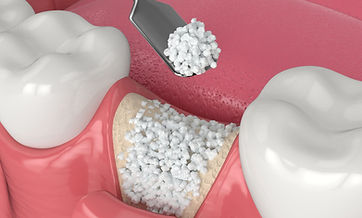
A bone graft is a procedure that rebuilds or strengthens the jawbone by adding bone material to the affected area.
This material may come from:
Your own body
A donor source
Synthetic bone substitutes
Over time, the graft integrates with your natural bone, creating a solid foundation for the implant.
How Do I Know If I Need a Bone Graft?
The only way to determine this is through a detailed evaluation, which may include digital imaging or 3D scans.
You may need a bone graft if:
Your jawbone is too thin or soft
You’ve had missing teeth for a long time
You’ve experienced bone loss from gum disease
Your dentist cannot safely place an implant without additional support
In many cases, patients are surprised to learn that bone grafting can make implants possible even after significant bone loss.
Types of Bone Grafting Procedures
Depending on your needs, different types of bone grafts may be recommended.
Minor Bone Grafts
Used for small areas of bone loss
Often performed at the same time as implant placement
Major Bone Grafts
Used when more extensive rebuilding is needed
May require healing time before implant placement
Your dentist will recommend the most appropriate approach based on your individual case.
What to Expect During the Bone Grafting Process
The procedure is typically straightforward and performed with your comfort in mind.
Here’s what to expect:
The area is numbed with local anesthesia
Bone material is placed in the targeted area
The site is secured to allow healing
Healing occurs over several months
After healing, the area becomes strong enough to support a dental implant.
Healing and Recovery
Healing time varies depending on the size of the graft and your body’s natural healing ability.
During this period:
The bone integrates and strengthens
You may wear a temporary restoration if needed
Follow-up visits ensure proper healing
Most patients experience minimal discomfort and return to normal activities quickly.
Benefits of Bone Grafting Before Implants
While it may add an extra step to the process, bone grafting provides important long-term benefits.
These include:
Improved implant stability
Higher success rates
Better aesthetic results
Preservation of facial structure
Ability to qualify for implants
Bone grafting often transforms patients who were not candidates into strong candidates for implants.
What If I Choose Not to Get a Bone Graft?
If a bone graft is recommended and not completed, implant placement may not be possible or may carry a higher risk of failure.
Alternative options may include:
Dentures
Bridges
Modified implant approaches (in some cases)
Your dentist will help you understand all available options so you can make an informed decision.
Frequently Asked Questions About Bone Grafting for Implants
Is bone grafting painful?
The procedure is performed under local anesthesia, so you should not feel pain during treatment. Afterward, mild discomfort or swelling is normal and typically manageable.
How long does it take to heal after a bone graft?
Healing time varies but usually takes several months. This allows the graft to fully integrate with your natural bone before implant placement.
Can I get a dental implant at the same time as a bone graft?
In some cases, yes. Minor grafts can sometimes be done simultaneously with implant placement. Larger grafts may require a separate healing period.
Is bone grafting safe?
Yes. Bone grafting is a common and predictable procedure in dentistry, with a strong track record of success when properly planned.
What materials are used for bone grafts?
Bone grafts may use natural bone, donor bone, or synthetic materials. Your dentist will choose the best option for your specific needs.
Will I always need a bone graft if I’ve lost bone?
Not always. Some patients still have enough bone for implants, and newer techniques may reduce the need for grafting. A proper evaluation will determine this.
Bone Grafting for Dental Implants in Tulare, CA
If you’ve been told you may need a bone graft, it doesn’t mean implants are out of reach—it often means the opposite. At Dr. Sonam Rambhia, DDS, we use advanced techniques to rebuild and restore your foundation for a healthy, confident smile.
📍 1040 N Cherry St, Tulare, CA 93274
📞 559-686-1773