
Adjusting to Life with New Dentures
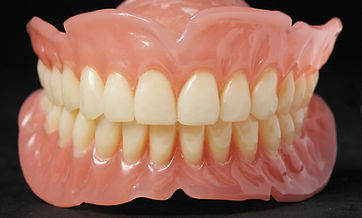
What to Expect When You First Get Dentures
Getting new dentures is a major step toward restoring your smile, but it also comes with a period of adjustment. Whether you have full or partial dentures, it’s completely normal for them to feel different at first.
At Dr. Sonam Rambhia, DDS, we guide patients through this transition so they feel comfortable, informed, and confident as they adapt to life with dentures.
The Initial Adjustment Period
When you first begin wearing dentures, your mouth and muscles need time to adapt. This process varies from person to person but typically takes a few weeks.
During this period, you may experience:
A feeling of fullness or bulkiness in your mouth
Increased saliva production
Minor soreness or pressure points
Difficulty with certain words
Changes in chewing habits
These experiences are normal and improve as your mouth adjusts.
Eating with New Dentures
Learning to eat with dentures is one of the biggest adjustments, but it becomes easier with practice.
Tips for Eating Comfortably
Start with soft foods like eggs, yogurt, mashed potatoes, and soups
Cut food into small, manageable pieces
Chew slowly and evenly on both sides
Avoid hard, sticky, or tough foods at first
As you gain confidence, you can gradually reintroduce a wider variety of foods.
Speaking with Dentures
Dentures can temporarily affect your speech, especially when pronouncing certain sounds.
How to Adapt More Quickly
Practice speaking out loud
Read aloud to yourself
Repeat difficult words
Speak slowly and clearly
Most patients adjust within a short time and regain normal speech patterns.
Managing Soreness and Pressure Points
It’s common to experience some soreness as your gums adapt to the dentures.
What You Can Do
Follow your dentist’s instructions closely
Remove dentures as advised to allow your gums to rest
Rinse your mouth with a gentle solution if recommended
Attend follow-up visits for adjustments
Persistent discomfort can usually be corrected with minor adjustments.
Daily Cleaning and Care
Proper denture care is essential for maintaining both oral health and the longevity of your dentures.
Daily Care Routine
Remove and rinse dentures after meals
Clean them thoroughly with a denture brush
Soak them overnight if recommended
Clean your gums, tongue, and mouth daily
Consistent hygiene helps prevent irritation, infection, and odor.
Wearing Schedule and Routine
At first, your dentist may recommend wearing your dentures most of the day to help identify areas that need adjustment.
Over time:
You may remove them at night
Your gums will have time to rest and recover
Your wearing routine will become more comfortable
Consistency helps speed up the adjustment process.
The Importance of Follow-Up Visits
Adjustments are a normal and necessary part of getting used to dentures.
During follow-up appointments, your dentist will:
Relieve sore spots
Improve fit and stability
Ensure proper function
These visits are key to making your dentures as comfortable as possible.
Long-Term Changes and Maintenance
Your mouth will naturally change over time, which can affect how your dentures fit.
You may eventually need:
Denture relining
Adjustments
Replacement after several years
Routine dental visits help maintain comfort and function over the long term.
Tips for a Successful Transition
Adjusting to dentures takes patience, but these tips can help:
Give yourself time to adapt
Practice eating and speaking regularly
Follow care instructions carefully
Stay consistent with wearing your dentures
Communicate with your dentist about any concerns
With time, dentures will begin to feel more natural.
Benefits of Adjusting to Dentures
Once you’ve adapted, dentures can significantly improve your daily life.
Benefits include:
Restored ability to eat and speak
Improved facial appearance
Increased confidence
Better overall comfort
A complete smile can enhance both your health and quality of life.
Frequently Asked Questions About Adjusting to Dentures
How long does it take to get used to dentures?
Most patients adjust within a few weeks, though full adaptation may take longer. Consistent use helps speed up the process.
Is discomfort normal when first wearing dentures?
Yes. Mild soreness is common initially, but it should improve over time. Persistent discomfort can be addressed with adjustments.
Will I be able to eat normally again?
Yes. With practice and time, most patients return to a normal diet.
Why do my dentures feel loose?
As your gums heal and change shape, dentures may loosen. Adjustments or relining can improve the fit.
Should I sleep with my dentures in?
In many cases, it’s recommended to remove dentures at night to allow your gums to rest. Your dentist will provide specific guidance.
What should I do if my dentures cause sore spots?
Contact your dentist for an adjustment. Avoid trying to fix dentures yourself, as this can cause damage.
Denture Care and Support in Tulare, CA
Adjusting to new dentures is a process, but with proper guidance and support, it becomes much easier. At Dr. Sonam Rambhia, DDS, we’re here to help you every step of the way so you can enjoy a comfortable, confident smile.
📍 1040 N Cherry St, Tulare, CA 93274
📞 559-686-1773